27 Jun 2026
Microclimate Variations Influencing Outdoor Event Results and Live Accumulator Builds with Incentive Structures
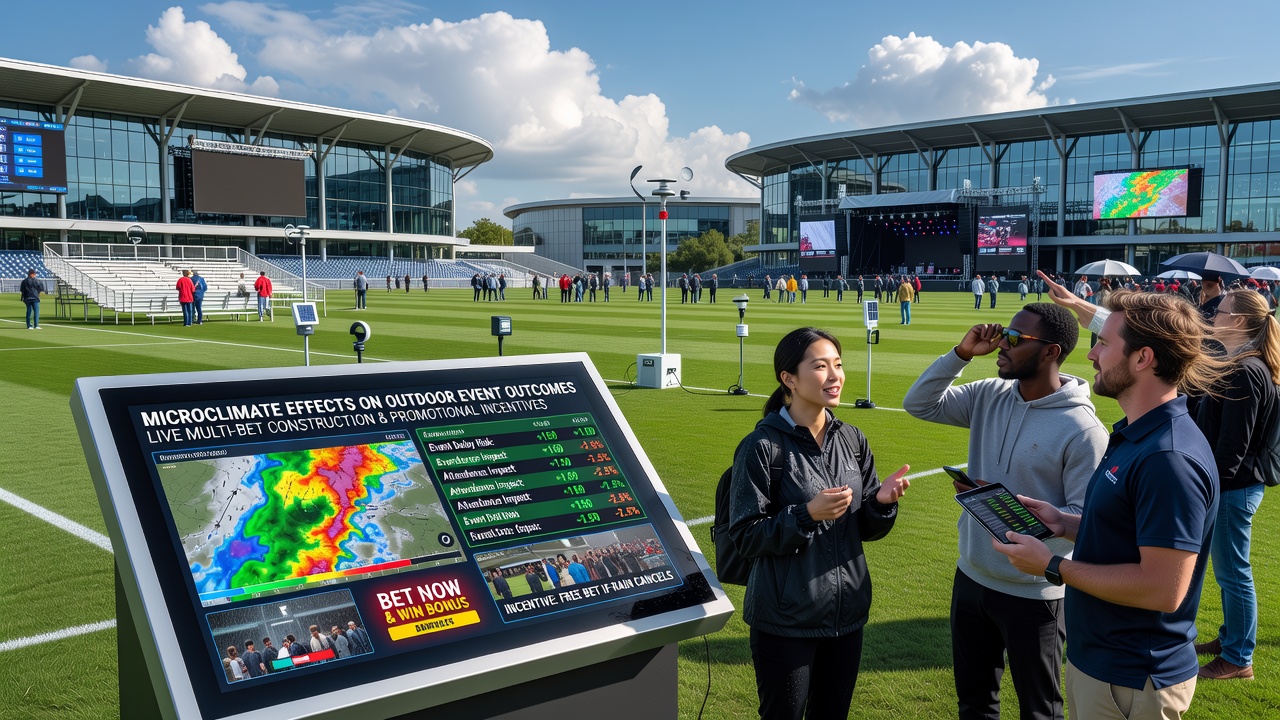
Outdoor sporting events experience localized weather patterns that differ sharply from regional forecasts, and these microclimates alter player performance, equipment behavior, and final outcomes in measurable ways. Data from meteorological agencies indicate that temperature gradients, wind pockets, and humidity shifts within a single venue can change ball trajectory in tennis by up to 8 percent while also affecting horse stride lengths on turf courses during afternoon racing cards. Observers note that these same variables create opportunities for bettors constructing live multi-leg wagers because odds adjust in real time as conditions evolve.
Localized Weather Patterns in Major Outdoor Venues
Studies conducted by the National Oceanic and Atmospheric Administration reveal that stadium microclimates form when structures block prevailing winds or trap heat, producing pockets where surface temperatures rise several degrees above surrounding areas. In June 2026, several European tennis tournaments recorded court temperatures exceeding ambient readings by 4 to 6 degrees Celsius during peak afternoon sessions, leading to faster ball speeds and altered bounce characteristics. Similar patterns appear at horse racing tracks where shaded sections retain moisture longer than sun-exposed stretches, influencing footing and race times.
Researchers at the Australian Bureau of Meteorology have documented comparable effects in basketball arenas with open-air sections, where sudden gusts alter three-point shooting percentages during live play. These documented shifts feed directly into in-play betting markets because operators update odds based on observed performance metrics rather than pre-event projections.
Impact on Performance Metrics and Live Odds Movement
Performance data collected across multiple outdoor disciplines shows clear correlations between microclimate elements and statistical outputs. Wind direction changes of as little as 10 degrees can reduce serve accuracy in tennis by measurable margins while humidity levels above 70 percent increase fatigue markers in longer matches. Horse racing analysts track how track moisture retention varies across different sections of the course, producing split times that deviate from historical averages when localized rainfall occurs.
These performance fluctuations translate into rapid odds adjustments during live betting windows. Bettors monitoring real-time weather sensors alongside statistical feeds gain information that allows them to construct multi-leg accumulators targeting specific legs where conditions favor certain outcomes. Promotional structures offered by operators often amplify these opportunities by providing bonus funds or enhanced odds on selected combinations when particular environmental thresholds are met.
Constructing Multi-Bet Sequences Using Environmental Data
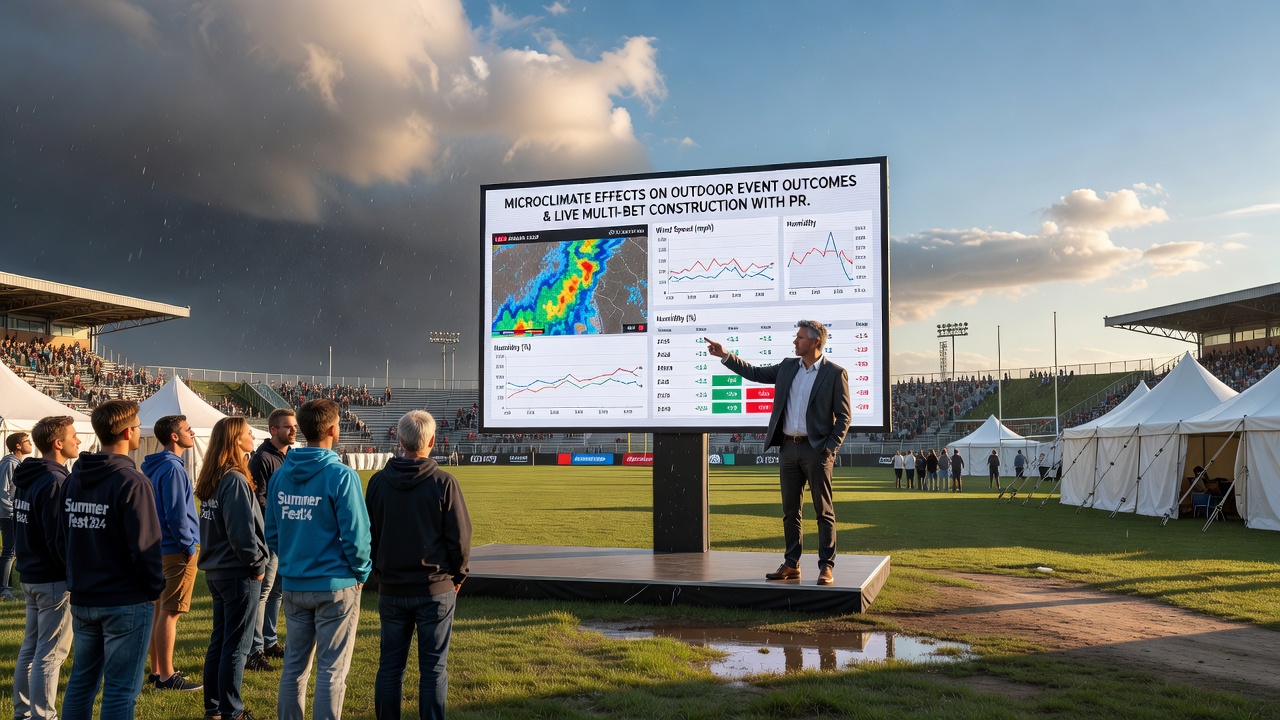
Bettors who integrate microclimate information into accumulator construction follow structured approaches that combine venue-specific weather observations with performance databases. One documented method involves selecting tennis sets where wind patterns favor baseline players, then layering basketball totals that align with humidity-driven fatigue trends in later quarters. Racing legs can be added where track sections affected by sun exposure produce faster times for front-runners.
Industry reports from the European Gaming and Betting Association highlight how operators respond to these patterns by issuing targeted promotions during periods of variable weather. Cashback offers on live accumulators or stake boosts on specific environmental conditions encourage continued participation while the event unfolds. These incentives operate within regulatory frameworks established by bodies such as state gaming control boards in the United States and provincial authorities in Canada.
Promotional Integration and Risk Management
Promotional incentives tied to live multi-bet construction frequently reference weather thresholds or venue conditions as triggers for enhanced returns. Operators release free bet credits or profit boosts when microclimate data confirms certain parameters, such as wind speeds exceeding set limits during tennis matches or temperature drops affecting racing surfaces. These structures allow participants to extend accumulator chains without increasing initial stake amounts.
Academic papers published in the Journal of Sports Analytics demonstrate that environmental variables explain a measurable portion of outcome variance in outdoor events, yet remain underutilized in standard betting models. Bettors who apply this information systematically adjust their multi-leg selections as conditions change throughout an event day, while promotional overlays provide additional margin on successful combinations.
Conclusion
Microclimate effects create measurable influences on outdoor event statistics that feed into live accumulator construction processes. Operators respond with promotional frameworks that align incentives to these environmental variables, producing integrated betting environments where weather data and performance metrics interact continuously. Regulatory oversight from multiple international bodies ensures these structures operate within defined parameters while data sources continue to refine understanding of localized weather impacts on sporting outcomes.