16 May 2026
Linking Skies to Streaks: Weather Patterns That Refine Multi-Sport Wager Strategies in Football, Tennis, and Racing

Weather systems shape outcomes across football, tennis, and horse racing in measurable ways that refine how wager strategies develop over time, and data from meteorological records combined with performance statistics reveal consistent patterns that bettors incorporate into their planning. Forecasters track pressure systems, precipitation levels, and temperature swings because these elements alter pitch conditions, court surfaces, and track firmness in ways that shift scoring rates, rally lengths, and finishing times. Observers note that spring transitions in May 2026 brought variable rainfall across northern Europe and parts of North America, creating opportunities to examine how those shifts aligned with documented changes in match statistics and race results.
Football and Precipitation Effects
Football matches respond directly to rainfall because wet pitches reduce ball speed and increase the likelihood of deflections during passes and shots. Research from sports performance databases shows that matches played in moderate to heavy rain produce fewer total goals on average while elevating the frequency of draws, and analysts cross-reference these figures wth local forecast models to adjust accumulator selections accordingly. Teams that rely on possession-based styles experience measurable drops in completion percentages under wet conditions, whereas sides built around long balls and set pieces often maintain steadier output. In May 2026, several European leagues encountered unseasonal showers that coincided with lower-scoring weekends, allowing pattern recognition across multiple fixtures rather than isolated events.
Tennis Momentum Under Wind and Heat
Tennis rallies shorten or extend depending on wind speed and temperature because gusts disrupt serve accuracy while higher temperatures accelerate fatigue during longer exchanges. Statistics compiled by tournament organizers indicate that matches contested above 28 degrees Celsius show elevated rates of unforced errors in later sets, and crosswinds above 25 kilometers per hour correlate with reduced first-serve percentages. Players who favor aggressive baseline play register different win rates compared with serve-dominant competitors when these conditions persist, and those tracking historical data adjust expectations for set totals and game spreads. Researchers have documented similar effects during clay-court swings where humidity compounds physical demands, producing shifts in momentum that appear in point-by-point logs rather than final scores alone.
Racing Track Conditions and Speed Figures
Horse racing outcomes hinge on track moisture because rainfall alters surface firmness and changes stride lengths for different running styles. Official going reports classify surfaces from firm to heavy, and speed figures compiled over decades demonstrate that times lengthen measurably once ground becomes soft, with front-runners sometimes gaining relative advantage while closers require stronger finishes. Data collected by racing authorities shows that horses with proven wet-track form outperform market expectations when forecasts predict overnight rain, and trainers publish preparation notes that bettors combine with meteorological projections. In May 2026 several major meetings encountered sudden showers that turned previously firm ground soft within hours, prompting re-evaluation of pace expectations for middle-distance races.
Integrating Forecasts into Accumulator Construction
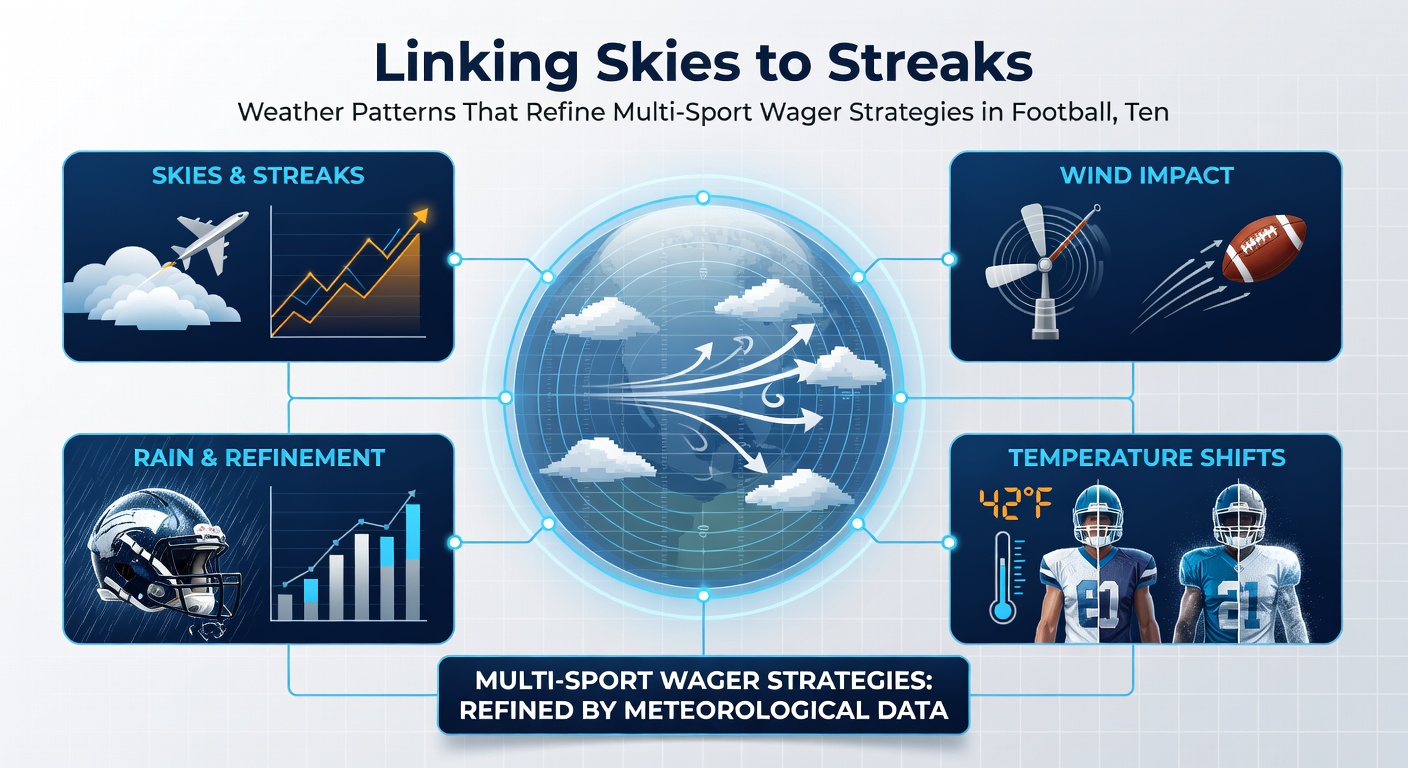
Multi-sport accumulators gain precision when weather variables receive equal weighting alongside form and head-to-head records because correlated conditions across venues can either amplify or dampen expected results. Analysts compile forecast grids that flag high-probability rain days for football fixtures, wind advisories for tennis tournaments, and precipitation alerts for racing meetings, then layer those indicators onto statistical models that already account for team tendencies or player fatigue. Studies published in sports science journals demonstrate that incorporating real-time weather adjustments improves the calibration of probability estimates, particularly when events occur in regions prone to rapid frontal passages. Those who monitor hourly updates rather than daily summaries often identify late changes that affect totals markets or handicap lines before odds fully reflect the shift.
Regional Data Sources and Pattern Recognition
Organizations such as the National Oceanic and Atmospheric Administration supply granular forecast layers that racing syndicates and tennis performance teams integrate into preparation routines, while academic papers from European sports research centers examine long-term correlations between atmospheric pressure anomalies and scoring distributions. Figures released by these sources reveal that certain pressure gradients precede stretches of consistent conditions across multiple sports, allowing strategists to anticipate sequences rather than react to single events. In practice, bettors who combine these datasets with venue-specific historical tables identify recurring streaks where weather acts as the common variable rather than random noise.
Conclusion
Weather patterns supply measurable inputs that refine wager strategies across football, tennis, and racing because they alter physical conditions in repeatable ways that appear in performance statistics. Observers who track precipitation forecasts, wind readings, and temperature trends alongside traditional form data construct more calibrated selections for both single events and multi-sport accumulators. As climate monitoring improves and real-time feeds become standard, the linkage between skies and streaks continues to offer structured information that supports objective decision frameworks rather than intuition alone.