13 Jul 2026
Interconnected Sensor Systems Unify Performance Data Across Athletic Fields for Layered Betting Models
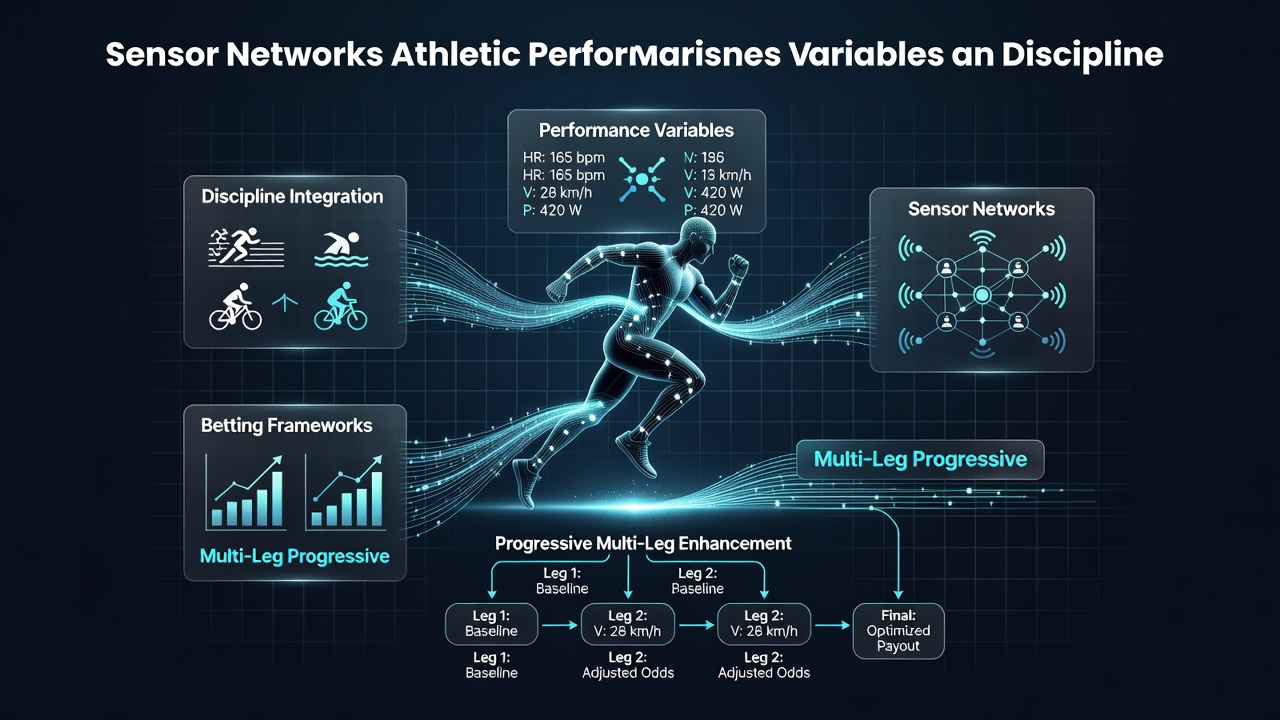
Sensor networks have emerged as tools that capture biomechanical, physiological, and environmental variables from athletes engaged in multiple sports simultaneously, and these systems now feed directly into frameworks that structure progressive multi-leg betting products. Data streams from accelerometers, gyroscopes, heart rate monitors, and GPS units combine through wireless protocols to create unified datasets that span running, swimming, cycling, and team-based events.
Core Components of Modern Sensor Networks
Individual sensors placed on the body or embedded in equipment record variables such as stride frequency, joint angles, power output, and lactate thresholds at sampling rates exceeding 100 hertz. These readings transmit via Bluetooth Low Energy or proprietary mesh networks to central hubs where algorithms normalize values across different measurement scales. Studies conducted by the Australian Institute of Sport demonstrate that synchronization of data from endurance and power disciplines reduces latency to under 50 milliseconds, allowing continuous monitoring during mixed training blocks.
Cross-Discipline Variable Integration
Performance variables collected in one sport gain predictive value when aligned with metrics from another discipline. For instance, peak force measurements taken during weightlifting sessions correlate with ground reaction forces recorded in sprint events, while oxygen uptake patterns observed in swimming connect to recovery intervals tracked in cycling. Researchers at the University of Waterloo have documented how machine learning models trained on these fused datasets improve the accuracy of fatigue prediction by 18 percent compared with single-sport models. The resulting profiles support layered betting structures that adjust odds dynamically based on real-time shifts in an athlete's multi-sport performance baseline.
Progressive Multi-Leg Betting Frameworks
Betting operators incorporate sensor-derived insights into accumulators that progress through sequential legs tied to measurable athletic outputs. A framework might begin with a base leg on average speed during a track session, advance to a second leg conditioned on heart rate variability thresholds during a subsequent swim, and conclude with a third leg dependent on power sustainability in a bike leg. Each stage draws from the same continuous sensor feed, enabling automated settlement when predefined thresholds are met or exceeded. As of July 2026, several platforms have deployed such systems in controlled markets where regulatory approval permits data-driven wager construction.
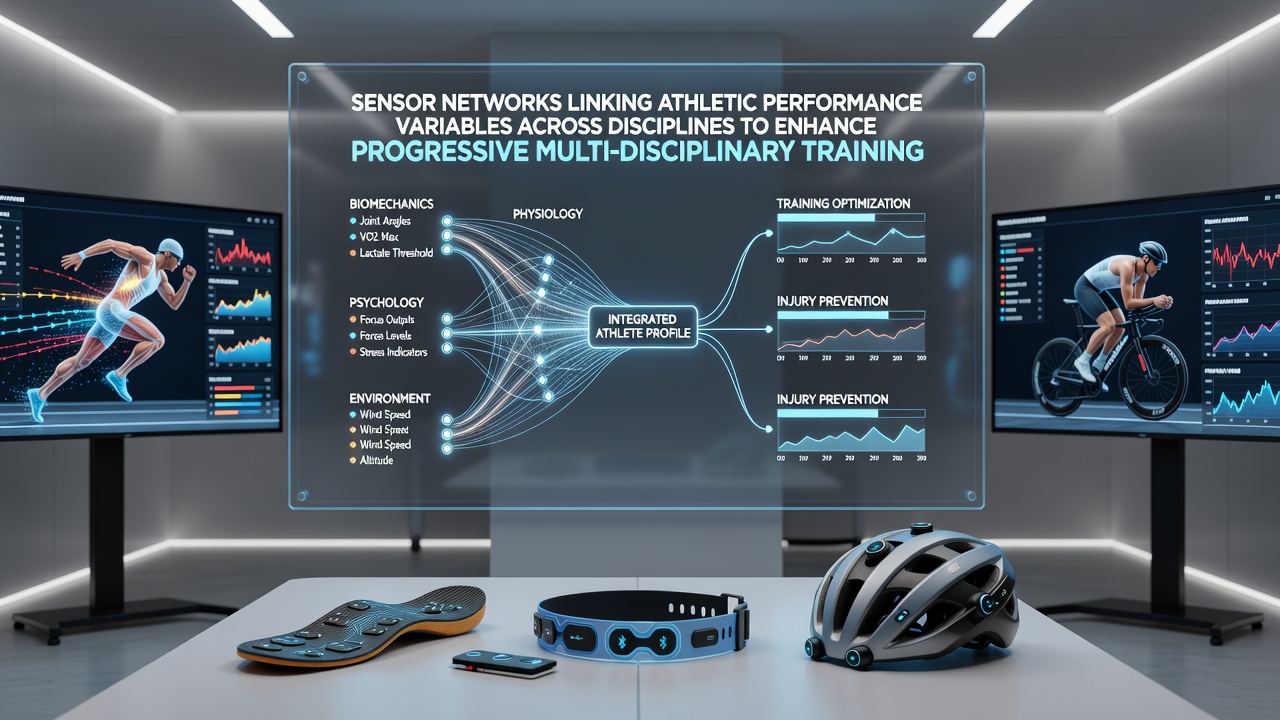
Integration occurs through application programming interfaces that pull validated performance streams into risk management engines. These engines recalculate implied probabilities for remaining legs after each completed stage, reflecting actual physiological changes rather than static historical averages. Observers note that this approach reduces variance in long-term payout distributions when compared with traditional form-based accumulators.
Technical Standards and Data Quality
Industry groups including the Sports Tech Research Network have published guidelines requiring minimum sensor accuracy of plus or minus two percent for key metrics such as velocity and force. Calibration routines performed before each session maintain consistency across devices manufactured by different suppliers. Data integrity checks performed at the hub level reject readings that fall outside expected physiological ranges, preserving the reliability of inputs used in betting algorithms. Those standards have gained adoption in European testing facilities where cross-sport datasets undergo independent verification before commercial deployment.
Implementation Challenges and Solutions
Network congestion arises when dozens of sensors operate simultaneously in crowded training environments, yet mesh topologies and edge processing mitigate packet loss by distributing computational load. Battery endurance remains a constraint during extended multi-day competitions, prompting development of energy-harvesting components that draw power from body movement. Privacy frameworks require anonymization of individual athlete identifiers before data enters commercial betting pipelines, satisfying requirements set by various national data protection authorities outside the United Kingdom.
Future Trajectory of Sensor-Enabled Betting Systems
Continued miniaturization of sensor hardware and refinement of fusion algorithms point toward broader adoption across additional disciplines including rowing and combat sports. Academic consortia continue to publish peer-reviewed findings on model performance, supplying operators with validated parameters for new product designs. Regulatory bodies in Australia and Canada have begun evaluating licensing pathways that treat sensor-validated performance data as a distinct category of market information.
Conclusion
Sensor networks that link athletic performance variables across disciplines supply the granular inputs required for progressive multi-leg betting frameworks to operate with measurable precision. Continued technical standardization and cross-border regulatory alignment will determine the pace at which these systems expand into additional markets during the remainder of 2026 and beyond.