29 Jun 2026
Cross-Referencing Athletic Metrics Across Venues to Refine Multi-Bet Strategies

Performance data from soccer fields, horse racing circuits, and tennis courts has started to intersect in systematic ways that support accumulator planning across multiple events. Analysts examine overlapping indicators such as pace consistency, recovery intervals, and error rates to identify correlations that single-sport reviews often overlook. These cross-referenced figures appear in betting models during periods of high fixture density, including the schedules observed in June 2026 when overlapping seasons increase the volume of simultaneous events.
Core Metrics from Each Venue Type
Soccer pitch data typically includes possession percentages, shots on target, and pressing intensity tracked through optical systems. Horse racing track statistics focus on sectional times, draw bias impacts, and ground condition adjustments recorded by timing equipment. Tennis court records emphasize first-serve percentages, rally lengths, and break-point conversion rates captured in match logs. When these datasets align on comparable time scales, patterns emerge that single-discipline reviews miss.
One dataset compiled by the Australian Gambling Research Centre demonstrated how average recovery times between high-intensity efforts on a pitch correlated with similar rest intervals observed in late-race track performances. The same study noted that extended rally durations on court often mirrored sustained pressure phases in soccer matches, creating potential reference points for multi-leg selections.
Integration Methods in Practice
Operators combine these indicators through layered spreadsheets or specialized software that normalizes units across sports. A soccer team's expected goals value might be adjusted against a horse's recent sectional splits when both appear in the same accumulator. Tennis players showing elevated error rates after long rallies receive parallel weighting when their matches coincide with basketball halves exhibiting similar scoring bursts.
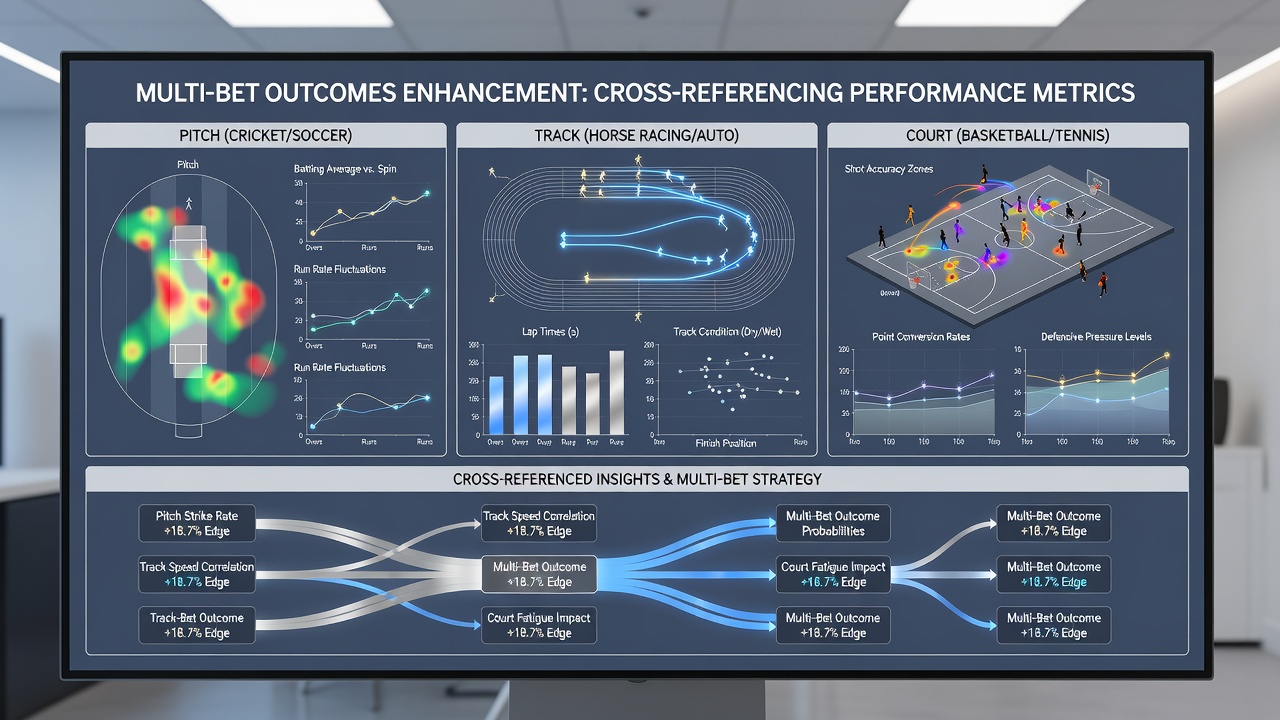
Industry reports from the American Gaming Association indicate that such normalized comparisons gained traction among professional syndicates during early 2026. The reports highlight cases where cross-venue adjustments altered stake distribution across accumulators involving football, racing, and tennis events scheduled within a single weekend window. Data normalization remains essential because raw figures differ in scale and collection frequency.
Observed Correlations and Adjustments
Researchers have documented instances where high pressing intensity on the pitch aligned with faster sectional times on turf surfaces later the same day. Similar alignments appear when tennis players maintain high first-serve percentages during humid conditions that also affect horse performance on softer tracks. These connections require verification against historical logs rather than assumptions about direct causation.
Canadian regulatory filings from provincial gaming authorities have recorded increased use of multi-sport data platforms among licensed operators. The filings note that operators track venue-specific variables separately before merging them into unified risk models. This separation prevents over-weighting of any single sport's characteristics during accumulator construction.
Practical Application Examples
Consider a weekend sequence featuring a Premier League match, a Group 1 race, and a Grand Slam tennis encounter. Metrics showing elevated possession retention in the soccer fixture might prompt review of the horse's closing sectional speed under similar crowd-density conditions. The tennis player's break-point success rate during extended sets could then receive weighting against both prior datasets when final selections are confirmed.
European sports data consortia have published case summaries illustrating how such layered reviews altered accumulator structures during congested June calendars. The summaries emphasize verification steps that include cross-checking venue conditions and participant availability before finalizing multi-leg combinations.
Conclusion
Cross-referencing performance metrics from pitch, track, and court environments supplies additional reference points for accumulator construction. The approach relies on normalized datasets, verified correlations, and consistent application across sports rather than isolated indicators. Available records from multiple regulatory regions continue to document gradual adoption of these methods among operators handling simultaneous events.