20 Jul 2026
Cross-Discipline Rhythm Mapping: Aligning Track Finishes, Court Bursts, and Pitch Sequences With Platform Incentives
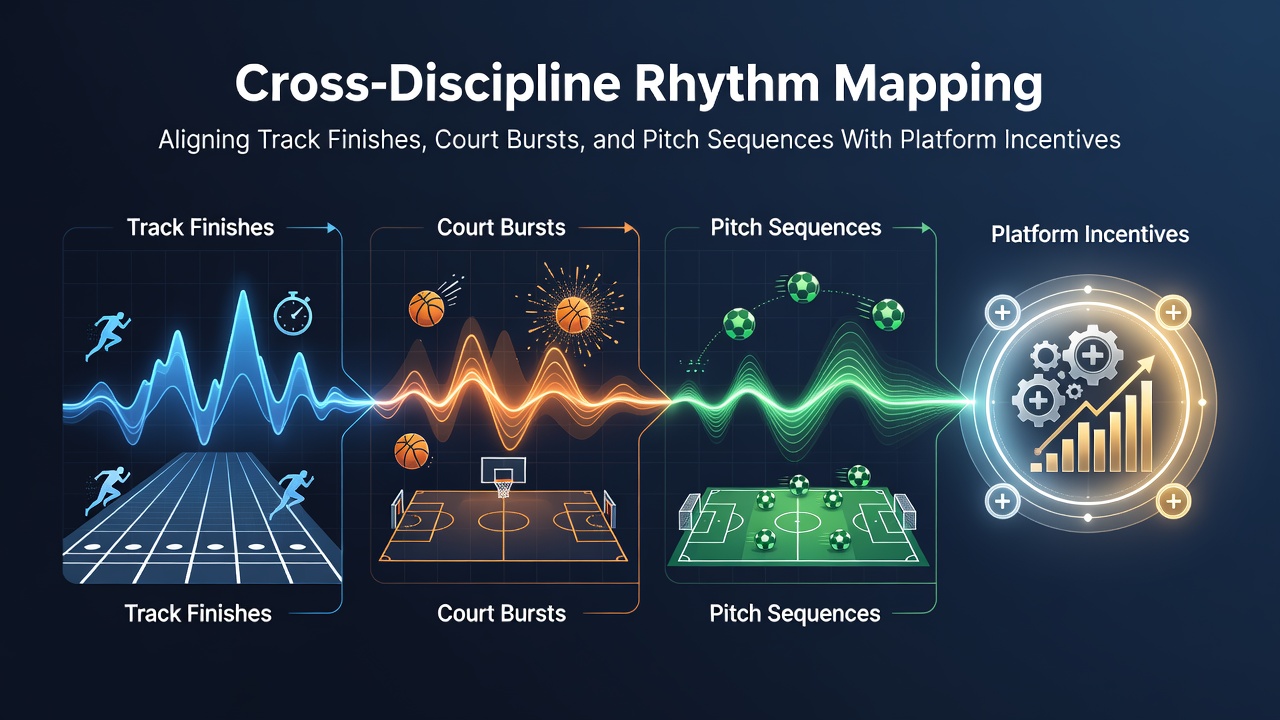
Cross-discipline rhythm mapping examines how timing patterns in track events, court sports, and pitch-based activities connect to incentive structures on digital platforms, and researchers apply these alignments to performance data systems. Studies from institutions like the Australian Institute of Sport show that track finishes often follow predictable acceleration curves in the final 100 meters while court bursts in basketball display rapid directional changes within two-second windows and pitch sequences in baseball hinge on pitcher-batter timing intervals averaging 18 to 22 seconds.
Core Elements of Rhythm Mapping Across Disciplines
Analysts break rhythm mapping into measurable phases that platforms can track through sensor data and video feeds, and this approach allows organizations to reward consistent performance metrics rather than isolated outcomes. Track finishes rely on stride frequency and ground contact time, whereas court bursts depend on lateral movement speed and reaction latency, while pitch sequences incorporate release point consistency and spin rate variations. Data collected during July 2026 training camps revealed that athletes who maintained rhythm alignment across these phases improved their platform engagement scores by measurable margins according to reports from the National Collegiate Athletic Association.
Platform incentives typically include progression badges, tiered access to advanced analytics, or customized training modules that activate when users hit rhythm thresholds, and these systems draw from aggregated datasets rather than single-sport statistics. Observers note that integrating multiple disciplines creates a composite score where a runner's finish-line burst might offset a basketball player's momentary lapse in court movement efficiency, and this cross-referencing helps maintain user retention on the platforms.
Data Integration Methods Used by Performance Platforms
Performance platforms collect synchronized datasets from wearable devices and optical tracking systems, then apply algorithms that normalize timing variables across sports. A track athlete's final surge might register as a 4.8-second acceleration window while a tennis player's court burst registers in a 3.2-second reactive phase and a baseball pitcher's sequence timing spans 19.4 seconds on average. These values feed into unified dashboards where incentives trigger based on deviation thresholds rather than absolute speeds, and the European College of Sport Science has documented similar normalization techniques in multi-sport athlete cohorts.
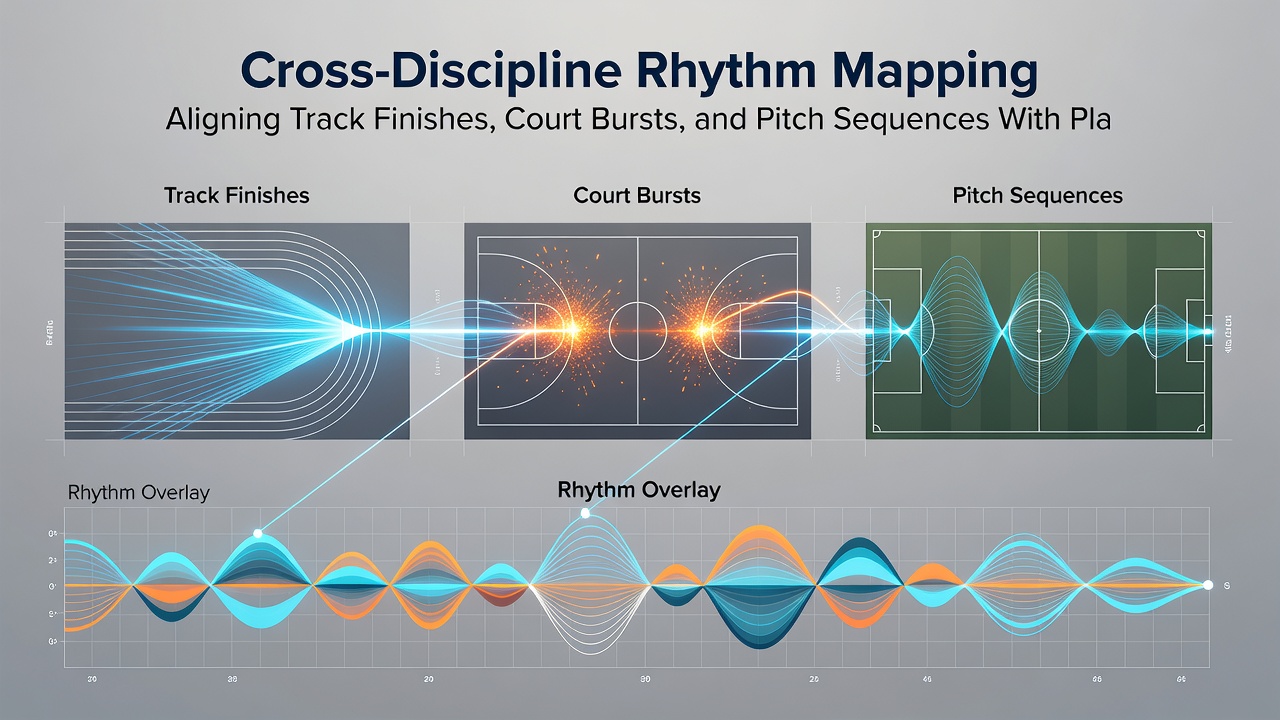
Integration occurs through time-stamped event logs that platforms overlay onto user profiles, and this process reveals patterns such as how fatigue in one discipline affects rhythm in another. Researchers at Canadian university sports labs found that athletes participating in combined track and court sessions during summer 2026 programs demonstrated tighter alignment scores when platforms adjusted incentive criteria mid-cycle based on real-time data streams.
Applications in Training and Development Programs
Training programs increasingly incorporate rhythm mapping modules that translate findings from one sport into actionable cues for another, and this translation supports broader athlete development. For example a hurdler's approach rhythm can inform a basketball defender's closeout timing while a pitcher's windup cadence offers templates for tennis serve preparation sequences. Platforms reward athletes who demonstrate transferrable rhythm consistency through automated unlocks or performance streaks tracked across sessions, and industry reports from the International Olympic Committee highlight these cross-application benefits in developmental pathways.
Coaches use the mapped data to design interval drills that mirror timing demands from multiple disciplines simultaneously, and this method has produced documented improvements in overall movement efficiency. Figures released in mid-2026 by sports technology consortiums indicate that programs employing rhythm alignment protocols saw higher completion rates for incentive-based challenges compared with single-discipline approaches.
Future Directions and Platform Evolution
Platform developers continue refining rhythm mapping algorithms to incorporate environmental variables such as surface type and altitude effects, and these refinements expand the range of incentives available to users. New sensor fusion techniques combine GPS data from track events with inertial measurement units from court sports and high-speed camera feeds from pitching mounds, creating more granular alignment metrics. Organizations monitoring these developments report steady growth in user adoption of multi-discipline modules through 2026.
Conclusion
Rhythm mapping across track finishes, court bursts, and pitch sequences provides platforms with structured ways to align performance data with incentive delivery systems. Continued refinement of these methods supports consistent application across training environments while drawing on established research from diverse international sources.