25 Jul 2026
Chasing Breezes and Shadows: Linking Weather Dynamics to Success Rates in Layered Sports Wagers
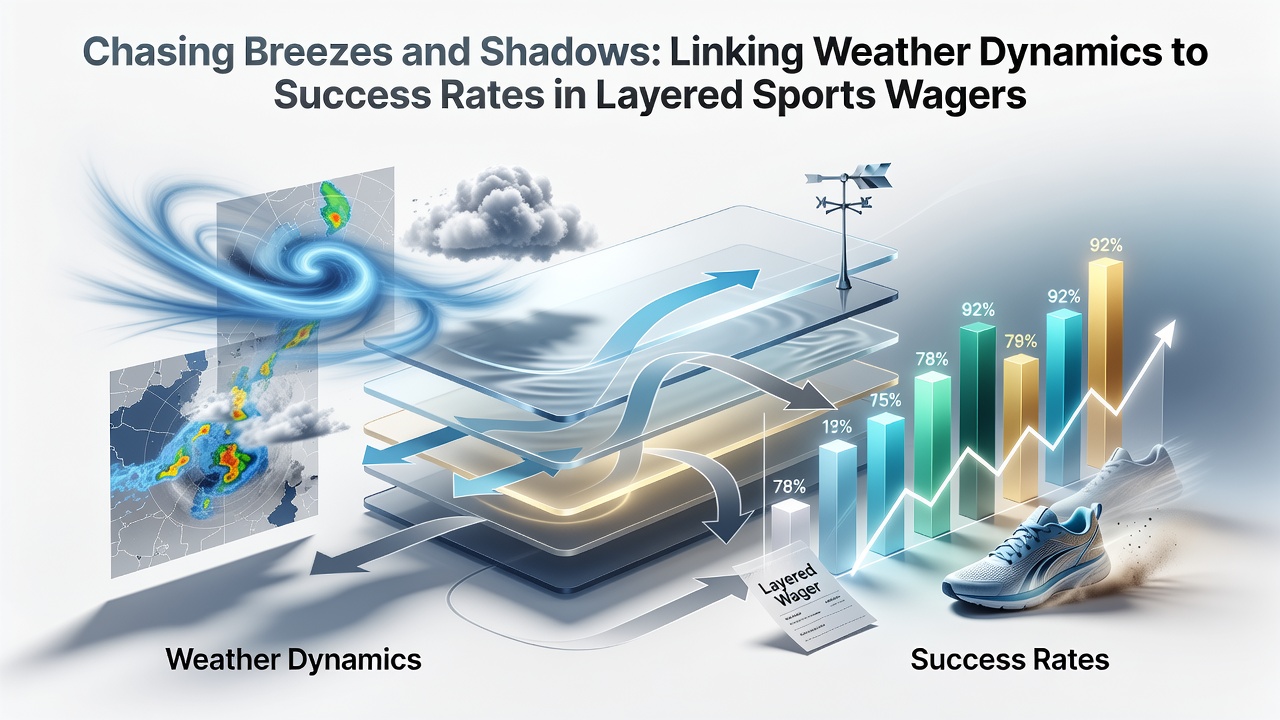
Weather patterns shape athletic performance across multiple disciplines, and analysts track how variables such as wind speed, precipitation, temperature shifts, and humidity levels alter results in events that feed into layered sports wagers. Data collected from stadium sensors and meteorological stations show that gusts exceeding 25 kilometers per hour often reduce passing accuracy in football matches by measurable margins while increasing the frequency of turnovers that decide match totals. Those same conditions appear in tennis tournaments where crosswinds disrupt serve trajectories, leading to higher double-fault counts that directly affect set outcomes and accumulator legs built around individual player statistics.
Wind and Precipitation Effects on Field Sports
Observers note that rain accumulation on pitches changes ball behavior in soccer fixtures, slowing ground passes and elevating the likelihood of long-range shots finding the net when surfaces become slick. Studies compiled by regional weather agencies indicate that matches played under steady drizzle produce different goal distributions compared with clear conditions, a pattern that influences over-under markets within multi-leg bets. Horse racing provides another clear example where turf moisture levels recorded by track officials alter finishing times, with heavy ground favoring stamina-oriented runners and thereby shifting exacta and trifecta probabilities that bettors combine with other events.
Temperature and Humidity in Endurance Events
Heat and humidity readings above 30 degrees Celsius with 70 percent relative humidity correlate with elevated fatigue markers in basketball and tennis athletes according to performance logs from professional leagues. Players exhibit reduced sprint distances and lower shooting percentages during later quarters or sets, outcomes that research teams at institutions such as the University of Queensland have quantified through longitudinal data. These physiological responses create measurable edges for bettors who incorporate forecast models into accumulator construction, particularly when layering tennis matches scheduled in afternoon sessions against evening basketball games where indoor climate control maintains steadier variables.
Integrating Forecasts into Multi-Leg Strategies
Layered wagers that span several sports require simultaneous assessment of disparate weather systems, and analysts at organizations including the Australian Bureau of Meteorology supply localized predictions that feed into probability adjustments. One documented approach involves cross-referencing hourly wind forecasts with historical match data to recalibrate expected totals, then applying those revised figures to basketball player prop lines that appear in the same slip. July 2026 schedules in the northern hemisphere coincide with peak thunderstorm activity in parts of North America and Europe, periods when lightning delays have historically interrupted baseball and cricket fixtures and thereby nullified certain legs of accumulators built around total runs or overs.
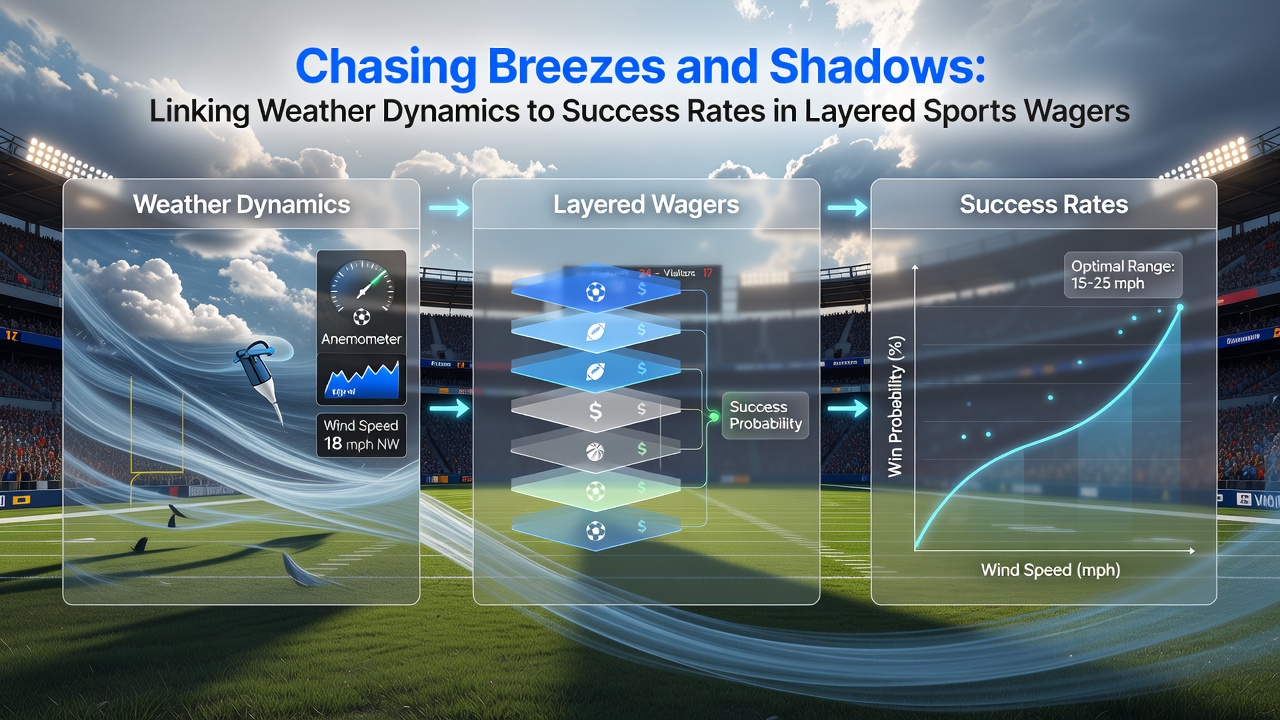
Software platforms now ingest real-time radar feeds alongside betting exchange odds, allowing rapid recalibration when sudden showers alter track conditions at one venue while leaving another location unaffected. This synchronization matters because layered bets often combine events separated by hundreds of kilometers, each subject to independent microclimates that diverge from broader regional forecasts.
Statistical Correlations Observed Across Seasons
Long-term datasets reveal that wind-assisted scoring spikes occur most consistently in coastal stadiums during late afternoon hours when sea breezes strengthen, a pattern confirmed through analysis of league archives spanning multiple years. Precipitation impacts appear more pronounced in northern latitudes during transitional months, whereas southern venues experience greater variability from heat stress. Researchers tracking these variables have published findings that link specific thresholds, such as sustained winds over 30 kilometers per hour, to a 12 to 18 percent shift in expected points or goals, figures that propagate through accumulator payout calculations when several such events stack together.
Industry reports from bodies like the European Gaming and Betting Association highlight how operators adjust lines in response to updated forecasts, yet residual discrepancies between modeled and actual outcomes persist because localized gusts and cloud cover remain difficult to predict beyond narrow time windows. Bettors who monitor National Oceanic and Atmospheric Administration alerts alongside venue-specific sensors gain access to incremental information that refines their selections across football, racing, and racket sports.
Conclusion
Weather dynamics introduce quantifiable variance into sports outcomes that underpin layered wagers, and systematic incorporation of meteorological data alongside performance records produces more precise probability estimates. Continued refinement of forecast integration tools, combined with expanding sensor networks at venues worldwide, supports ongoing analysis of how atmospheric conditions influence success rates in multi-event betting formats.